Tulsa-area football players, softball teams and marching bands are practicing under a new safety mandate this preseason: every school must now monitor heat conditions using technology the U.S. military developed in the 1950s to protect recruits from heat stroke.
The Oklahoma Secondary School Activities Association updated its regulations in February to require Wet Bulb Globe Temperature monitoring at all member schools for any outdoor student activity, KTUL reported Aug. 22. The rule covers not just competitive sports but extracurriculars like marching band.
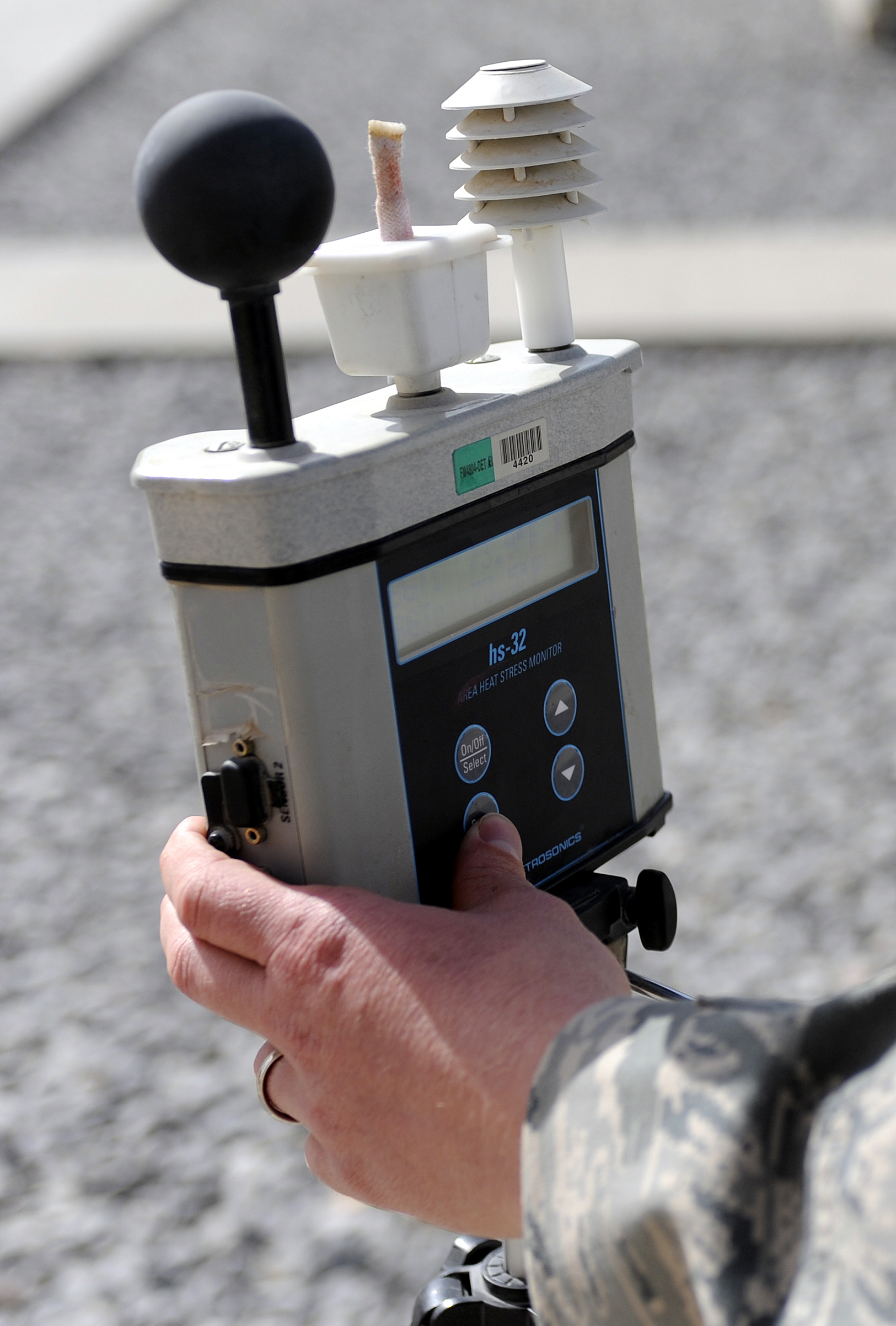
WBGT monitors are small, tripod-mounted devices that measure heat, humidity, solar radiation and wind simultaneously. Unlike a standard weather app showing shade temperature, the reading gauges the body's ability to cool itself in direct sunlight.
Steven Friebus, director of sports medicine for Tulsa Public Schools, said the devices give coaches a single reading that accounts for all environmental factors, allowing them to adjust practice intensity and duration in real time.
The mandate arrives during a brutal stretch. Tulsa County recorded heat index values above 100 degrees for at least 10 consecutive days as of Aug. 13, according to Tulsa World citing Oklahoma Mesonet data. The National Weather Service issued an Extreme Heat Warning for northeast Oklahoma on Aug. 18 with heat index values forecast to reach 112 degrees.
OSSAA associate director Trinity Johnson called the mandate the "gold standard" set by the National Federation of State High School Associations, emphasizing it protects all students outdoors, not just athletes in competition.
Practice rules are stricter than game day
Under the OSSAA guidelines, practice restrictions are considerably tighter than game-day rules. The reasoning: practices involve entire rosters exerting full effort at once, while games feature natural stop-and-go play, regulated cooling breaks and fewer players on the field at any given time. Game-day officials retain authority to call mandatory hydration stops and extended intermissions based on real-time conditions.
Some Tulsa-area schools have moved practices to 5 a.m. to dodge peak heat.
Automated alerts replace manual readings
Traditionally, staff had to deploy a tripod sensor, wait for a reading and cross-reference it against color-coded safety charts. That process is getting faster. Catoosa Public Schools is among the districts adopting Perry Weather, an automated system that mounts sensors on-site and pushes real-time alerts to coaches' smartphones with exact practice time limits, mandatory rest intervals and equipment restrictions.
Sal Guerrero, athletic director and head football coach at Catoosa High School, said the priority is straightforward.
"Obviously as a coach, you don't want anything to happen to your kids," Guerrero told KTUL. "That's something you've got to live with your whole life, so kids are always first and their safety is first."
Spectators attending outdoor events this fall will see the tripod monitors active on sidelines. The OSSAA mandate is already in effect for the 2026 preseason.