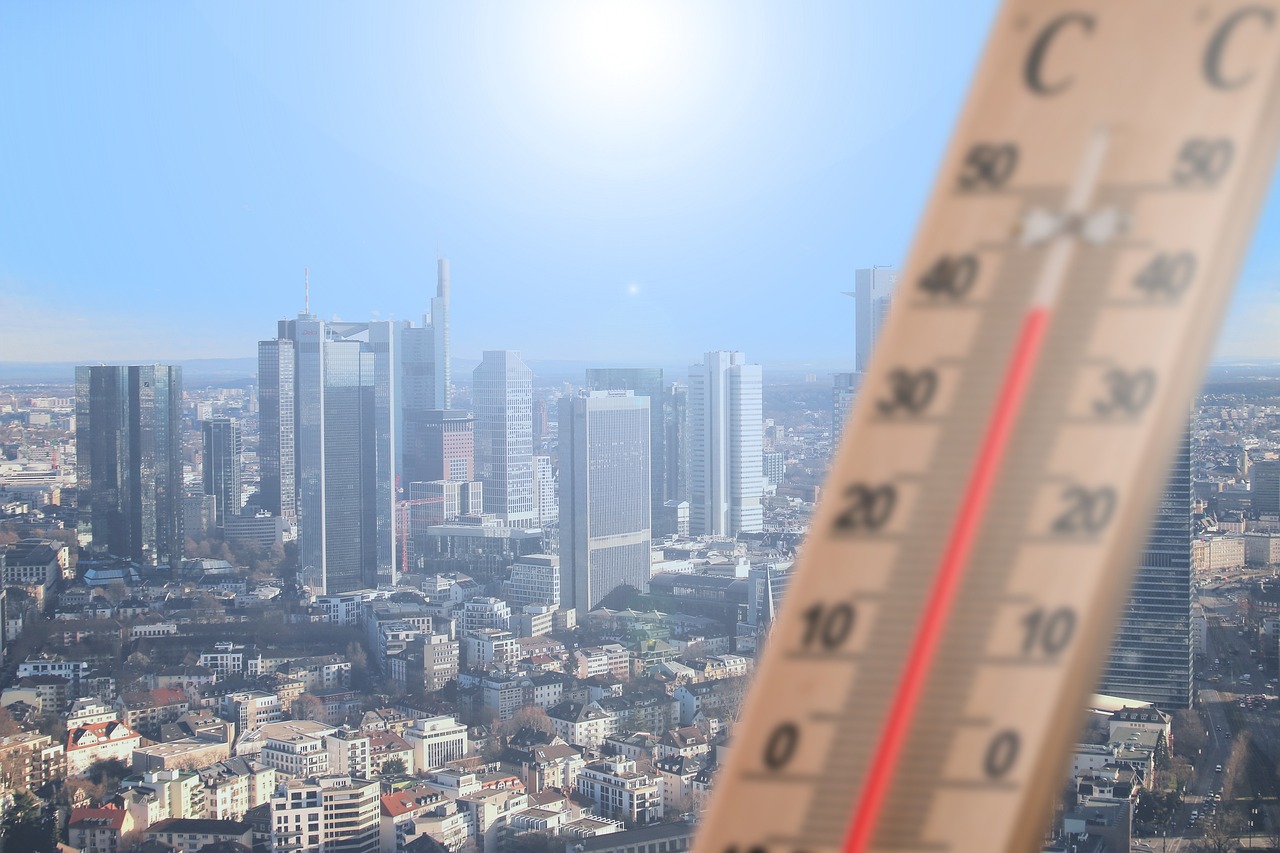
Tulsa is on track for its hottest year since record-keeping began.
The city's average temperature hit 69.1°F over the first 302 days of 2026, topping the previous record set in 2012 by nearly a degree, KJRH meteorologist Mike Grogan reported on Thursday, Oct. 29. The figure is calculated as the mean of daily highs and lows averaged across nearly 10 months.
Oklahoma is also experiencing its hottest year to date, according to state Mesonet data cited in Grogan's report. The vast majority of 2026 has featured above-average temperatures across the state's 120 weather stations. Aside from a January spell of Arctic air, above-average temperatures have dominated the year, interrupted by a few extended cooler periods.
Several individual months pushed the yearly average higher. Tulsa recorded its hottest March and hottest September on record. February was the second warmest on record. August and October, as of Oct. 29, ranked as the fifth hottest on record, according to Grogan.
The September heat was especially striking. Through the first half of that month, Tulsa saw eight days of triple-digit highs, KJRH reported in a Sept. 14 story. On Sept. 9, the temperature at Tulsa International Airport reached 103°F, breaking a record that had stood since 1909. The warmest overnight low that month was 83°F, the warmest September low ever recorded in Tulsa.
With two months remaining and forecasts calling for continued above-average temperatures, Grogan reported a high likelihood that 2026 will finish as the warmest year for both Tulsa and Oklahoma given the margin over 2012.
Globally, El Niño is adding to the heat. Federal forecasters have classified the current El Niño as "very strong," NPR reported Oct. 5. The National Oceanic and Atmospheric Administration (NOAA) expects the pattern to last through early 2027. El Niño years tend to be the hottest on record globally, according to NPR's report, because the added ocean heat raises atmospheric temperatures.
NOAA's U.S. Winter Outlook, released Oct. 15, projects wetter-than-average conditions across the southern United States from December 2026 through February 2027. Drought conditions in the Southern Great Plains are forecast to improve or end. Ken Graham, director of NOAA's National Weather Service, said the strong El Niño "tilts the odds toward stormier weather across the South."
Separately, the National Weather Service Tulsa office said on Oct. 29 that showers and thunderstorms were in the forecast for Friday, Oct. 30, and Saturday, Oct. 31. A stronger storm system was expected the following week with higher storm potential.
Tulsa residents looking for weather updates can check the National Weather Service Tulsa office at weather.gov/tsa.